
Understanding Mental Disorders
Compassionate, evidence-based treatment for a wide range of mental health conditions. You are not alone — help is just one step away.
- Home
- Mental Disorders
The information below is for educational awareness only. For personal diagnosis or treatment, please consult Dr. Garima Rana directly.
Obsessive-compulsive disorder (OCD)
The symptoms of this disease are as follows
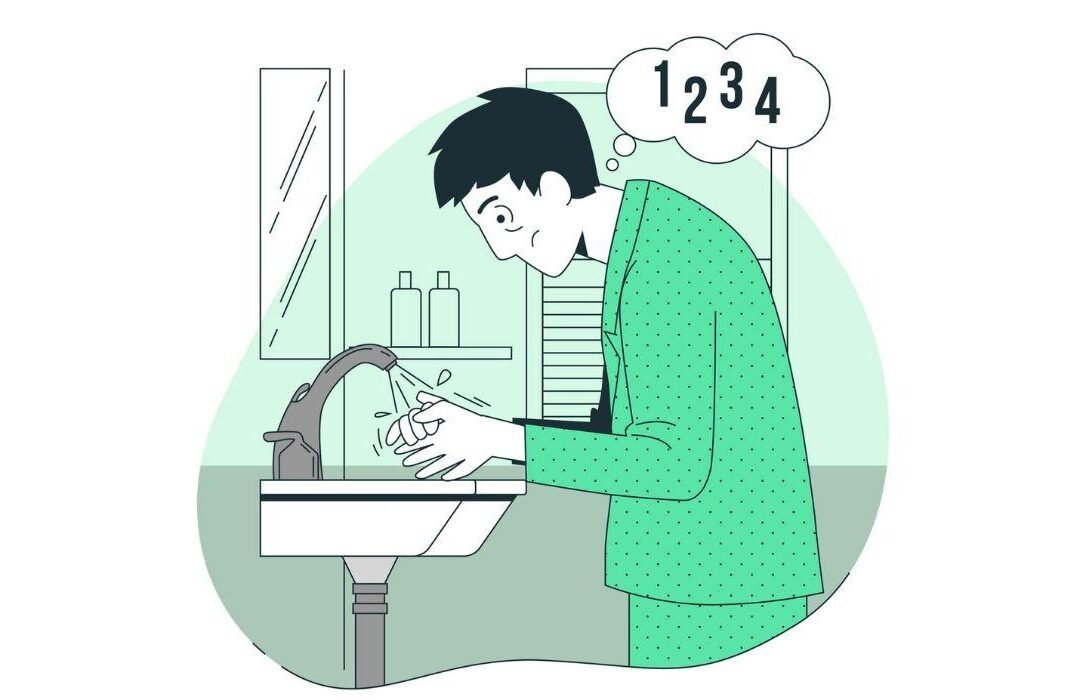
- The same thought keeps coming to a person's mind over and over again.
- The person feels the need to check the same things over and over again, such as repeatedly washing hands, repeatedly counting things, repeatedly checking to see if the door is locked, accumulating more things, or being preoccupied with sexual, violent, or religious thoughts.
- These intrusive thoughts create restlessness, fear and anxiety in his mind.
- He does these activities so often that his daily life is also affected.
- He wastes at least an hour or more in these activities throughout the day.
- The patient may feel that such behavior has no meaning but still feels unable to stop himself from these actions.
Depression
Depression is a common illness and can be treated. Depression does not mean that a person is mentally, morally, or personally weak or lazy. Depression is simply a disease that needs to be identified and treated.Some patients may also experience symptoms of mania at times.
- In depression, a person experiences extreme and prolonged sadness and despair.
- Does not experience joy or happiness in any work.
- He becomes disheartened about his future.
- He starts feeling hopeless, helpless and destitute.
- He starts crying repeatedly and at every little thing.
- Many times the patient starts considering himself a burden, as a result of which suicidal tendencies or desires arise.
- They don't like socializing. They prefer to avoid friends and social events. They crave solitude.
- One does not feel like doing any work and the desire to eat decreases.
Not all of these symptoms are present in every patient. Mild depression can be mild, and the patient may simply feel sad. Severe depression can manifest with most of the symptoms. In severe depression, the patient may stop eating and drinking, becoming still or even like a statue.

Anxiety Disorder (Anxiety)
The main symptoms of anxiety disorder are as follows:
- Constant apprehension, anxiety, fear, or worry about an unexpected event or accident. Always feeling the fear that every task will not be completed properly.
- Physical tension persists in the muscles, causing headache or tension or heaviness in the head, and pain, weakness and fatigue in various parts of the body.
- Fast heartbeat, trembling in hands and feet, cold hands and feet, excessive sweating, dry mouth, feeling of heaviness in the stomach, burning sensation or heat in the body, frequent urination, loss of appetite, late sleep or frequent interruption of sleep.
- Panic disorder is characterized by a sudden, intense panic. The person feels as if they are about to die. It feels like they're having a heart attack or feeling suffocated. Breathing becomes difficult... and control over the body and mind begins to diminish. After some time, this panic subsides on its own.

Schizophrenia (Psychosis)
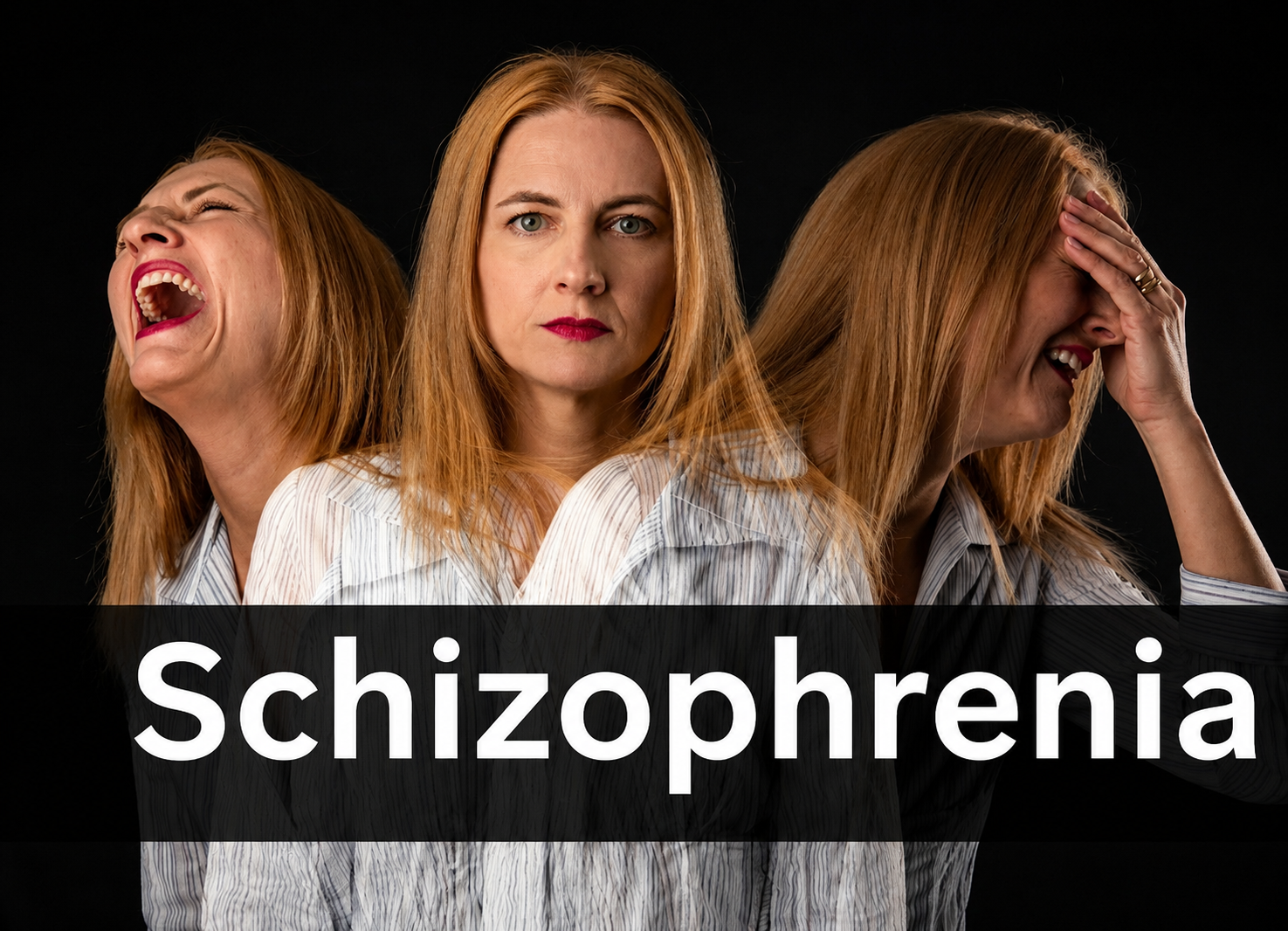
The main symptoms of Schizophrenia are as follows:
- Hearing various voices, which are audible only to the patient and not to anyone else. These voices may talk to each other, to the patient, and may also make comments about the patient.
- Sometimes the patient feels as if someone else can easily read their mind like an open book, knowing their every secret thought. They are being spied on.
- Some patients may feel that other people are controlling their mind, thoughts, emotions, and physical movements with external forces or devices.
- Some people develop various misconceptions, such as that other people are conspiring against them, want to kill them, or that their wife or husband is having immoral sexual relations with other people.
- Some patients become completely mute and lifeless, often standing, sitting, or lying in the same position for hours. Their speech, speech, mannerisms, gestures, and behavior become disorganized and abnormal.
Migraine
- Patients with the pathology experience severe, long-lasting, and intense headaches, often felt most intensely in one part of the head.
- Patients with the pathology experience severe, long-lasting, and intense headaches, often felt most intensely in one part of the head.
- It can be caused by triggers. Walking in harsh sunlight, loud noise or light, fasting or eating spicy or junk food, stress, insomnia, menstrual irregularities, smoking or drinking alcohol are common triggers for migraine.
- Along with a headache, this also involves problems such as nausea, vomiting, and discomfort from sound or light.
- Migraine can be reduced by improving lifestyle, such as regular exercise, eating a balanced diet, getting full sleep, etc.
Note :- Successful control of migraine is possible through consultation with a doctor and regular consumption of medications.

Epilepsy
This is a condition in which a patient experiences repeated seizures due to an imbalance in the electrical waves in the brain. During a seizure, the patient may lose their composure, fall unconscious, and experience frequent convulsions.
What to do if you have a seizure
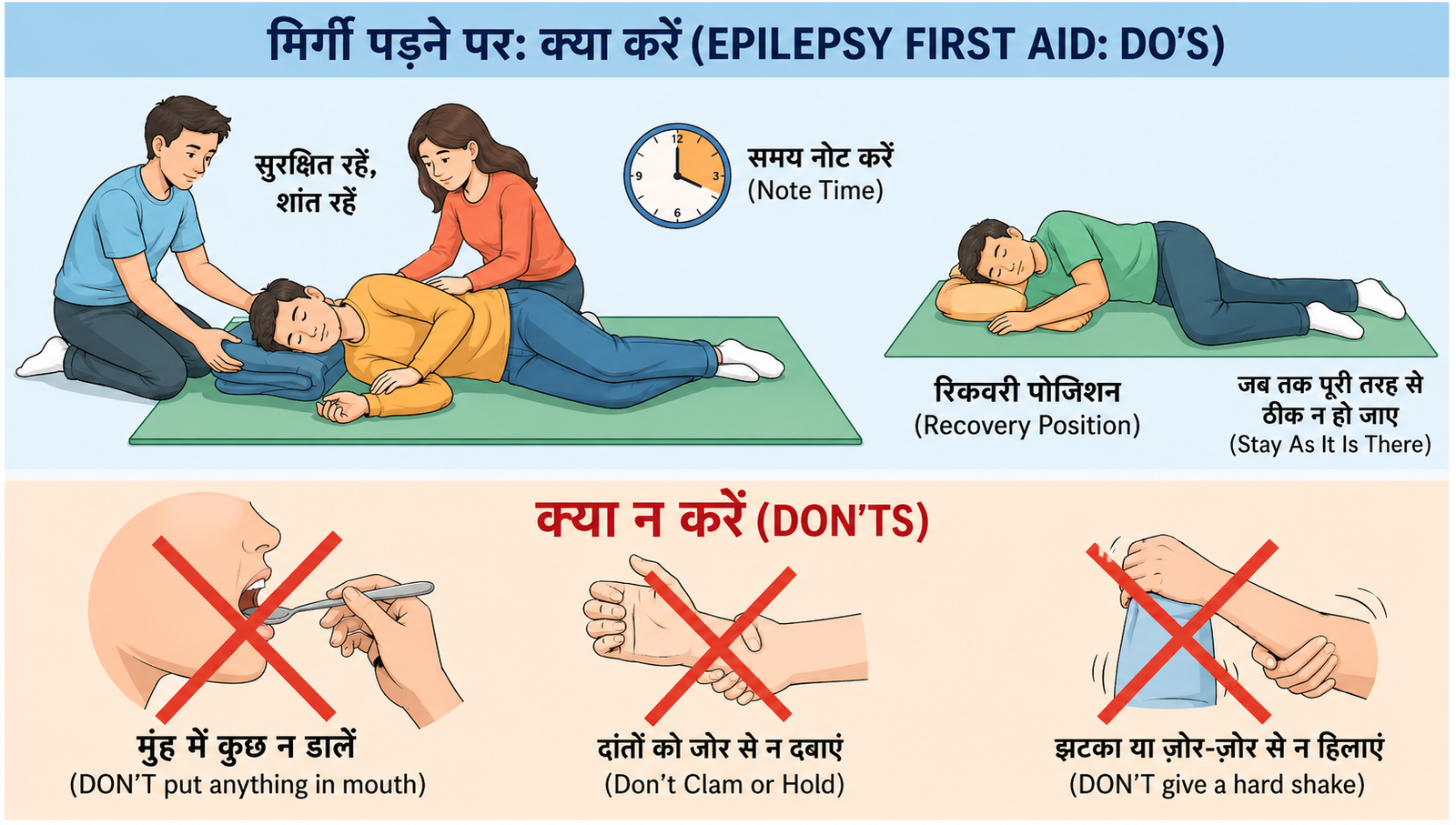
- Protect the patient from falling and remove sharp or pointed objects from the vicinity.
- While laying on the floor, place a pillow under the head and loosen the clothes.
- When the seizure stops, make him sleep on one side (Recovery Position) and clean the foam coming out of his mouth.
- Maintain peace and restraint around you.
Precautions
- An epilepsy patient should get plenty of sleep.
- Smoking and drinking alcohol should be avoided.
- One should eat balanced and nutritious food.
- Excessive stress or anxiety should be avoided.
- If possible, make a video of the seizure so that it is easier for the doctor to understand the disease.
Note :- You should consult your doctor regularly and take your ongoing medications.
What not to do when you have a seizure
- Do not try to stop the patient or control his tremors.
- Do not allow crowds to gather around.
- Do not put anything in the patient's mouth or let him smell anything (such as a shoe or onion).
- Do not feed or drink anything to him before he regains full consciousness.
- If possible, make a video of the seizure so that it is easier for the doctor to understand the disease.
Do not try to stop the patient or control his tremors.
Bipolar Disorder
What is bipolar disorder?
Bipolar disorder is a mental illness in which the patient experiences recurring episodes of mania or depression. During an episode, the patient’s mood becomes unusually happy, sad, or irritable for extended periods of time, which affects the patient’s thinking, behavior, and functioning.This disease is not caused by any kind of weakness of the patient, nor is it caused by the weak or unstable nature of the patient, nor is it caused by witchcraft, the wrath of gods and goddesses or evil spirits, rather it is a disease, the proper treatment of which is possible with the help of a psychiatrist.
What is bipolar disorder?
The disorder is caused by a disruption of various chemicals in the brain due to various life events and stressors (such as the loss of a parent or partner, unemployment, and extreme feelings of guilt) in a person with a genetic predisposition. The stress of the first episode also causes various changes in the patient’s brain, increasing the risk of a subsequent episode of mania or depression, even without any external stressors.
There are mainly two forms of the disorder:
The first form is a “mania episode,” or rapid mental activity: During this episode, patients become more excited or irritable than usual. They may talk about things that are biologically and intolerantly. They have no understanding of any principles. They may not feel the need for sleep. Their decision-making ability is also impaired, and they may even engage in risky activities.Such as driving fast, spending money unnecessarily, etc. Mania sufferers often lose track of their credit cards, bank accounts, financial matters, and property rules/decisions. The sufferer remains hyperactive throughout the day. Mania sufferers often spend most of their time preoccupied with religious, political, financial, or sexual thoughts.Up to 75% of mania patients may resort to threats and violence. As the disease worsens, the patient loses touch with reality, begins to hear unusual sounds, and may develop unexplained suspicions and delusions.
The second form is a depression episode:
During this period, the patient feels unusually sad or irritable, and no amount of activity brings them any upliftment. The patient experiences insomnia, anxiety, remorse, extreme fatigue, and lack of energy. They may also experience a lack of confidence and frequent crying spells. They may also experience suicidal thoughts. The patient can remain largely normal for a considerable period of time.

Then suddenly he may have an episode of euphoria or depression.
- After a flare-up episode, approximately 90% of patients are likely to experience a second episode.
- As the disease progresses, the time interval between two episodes decreases.
- If left untreated, an episode of mania lasts for about 3 months.
- About 45% of patients with bipolar disorder experience more than one episode.
- About 40% of patients experience persistent, long-term discomfort, which affects their social and personal lives.
- Women and men are affected equally.
- About 1% of people develop this disease during their lifetime.
- Most patients develop this disease around the age of 30.
- 15% of patients with this disease commit suicide.
- More than one-third of a patient's time after illness onset is spent in depressive episodes.
- Along with bipolar disorder, the patient may also suffer from alcohol and other drug addictions and anxiety disorders, which increase the patient's risk of suicide and also increase the severity of the disease.
- Drug abuse increases the patient's risk of having an episode of mania.
How to get treatment for bipolar disorder?
- For proper diagnosis and keeping in mind the safety of the patient, the patient needs to be admitted to the hospital for treatment.
- The patient is mainly treated with mood stabilizer medications, which not only cure the current episode but also reduce the chances of recurrence of new episodes in the future.
- During treatment, the patient should also get some tests done regularly to check the level of medicine and some tests of the body.
- ECT (electroconvulsive therapy) is a safe and effective treatment method given to some serious patients and those at risk of suicide.
- Along with medicines, psychotherapy is also required to deal with various stresses in the patient's life.
- To avoid recurrence of episodes, the patient should take complete treatment regularly as advised by the psychiatrist.
- Female patients should take regular treatment as per the advice of a psychiatrist before and during pregnancy.
- Bipolar disorder is a mental illness that can be properly treated with the help of a psychiatrist. Let us all work together to ensure that people with mental illness receive timely and appropriate treatment...
Attention-Deficit/Hyperactivity Disorder (ADHD) – Child Health …
Attention-Deficit/Hyperactivity Disorder (ADHD) is a condition characterized by poor concentration or short attention span and/or hyperactivity and…
MSD Manuals
Treatment and Symptoms of ADHD in Adults
Symptoms of ADHD include difficulty focusing, being fidgety, having trouble concentrating, or being impulsive. In adulthood…
Feeling restless all the time is a symptom of ADHD | Attention-deficit/hyperactivity…
ADHD, also known as attention deficit hyperactivity disorder, is a condition in which it can be difficult to concentrate and stay calm…
Note :-This is for informational purposes only. For medical advice or evaluation, consult a medical professional. AI responses may be inaccurate. This is for informational purposes only. For medical advice or evaluation, consult a medical professional. AI responses may be inaccurate.
Symptoms of Gaming Addiction
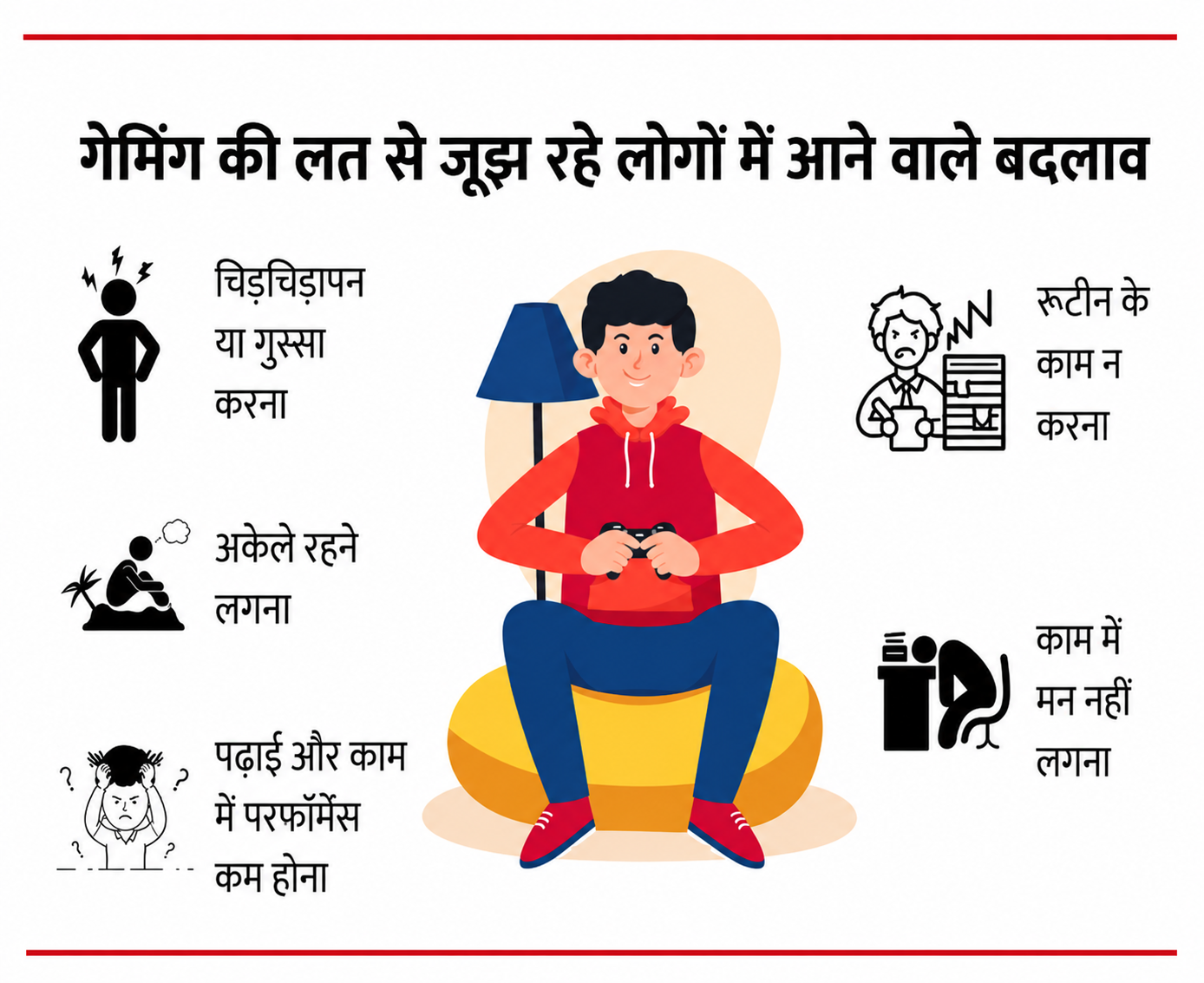
Symptoms of gaming addiction include constantly thinking about games, irritability when not playing games, and neglecting studies or work. It can cause mental health issues, such as high stress, loneliness, and aggression, as well as physical health issues, such as sleep deprivation and eye strain.
Major symptoms of gaming addiction
Excessive gaming addiction :- Constantly thinking about gaming, or feeling restless and irritable when unable to play games.
Loss of Control :- Being unable to reduce or stop gaming, even after realizing that it is causing harm (such as wasting time or a decline in academic performance).
Neglect of Other Activities :- Giving priority only to gaming while distancing oneself from studies, work, family, and friends.
Emotional Regulation through Gaming :- Constantly using games as an escape from stress, sadness, or loneliness.
Lying :- Lying to family or friends about the amount of time spent on gaming.
Physical Symptoms :- Lack of sleep, loss of appetite, fatigue, and neglecting personal hygiene.
Strained Relationships :- Deterioration of relationships due to skipping essential tasks or failing to spend time with family in favor of gaming.
Physical and mental side effects of gaming addiction
Mental effects :- High stress levels, loneliness, poor focus, memory problems, and aggression.
Physical effects :- Prolonged sitting can lead to adverse health effects and reduced physical activity.
Note:- If these symptoms are seen in someone, then it could be gaming disorder.
Intelligence
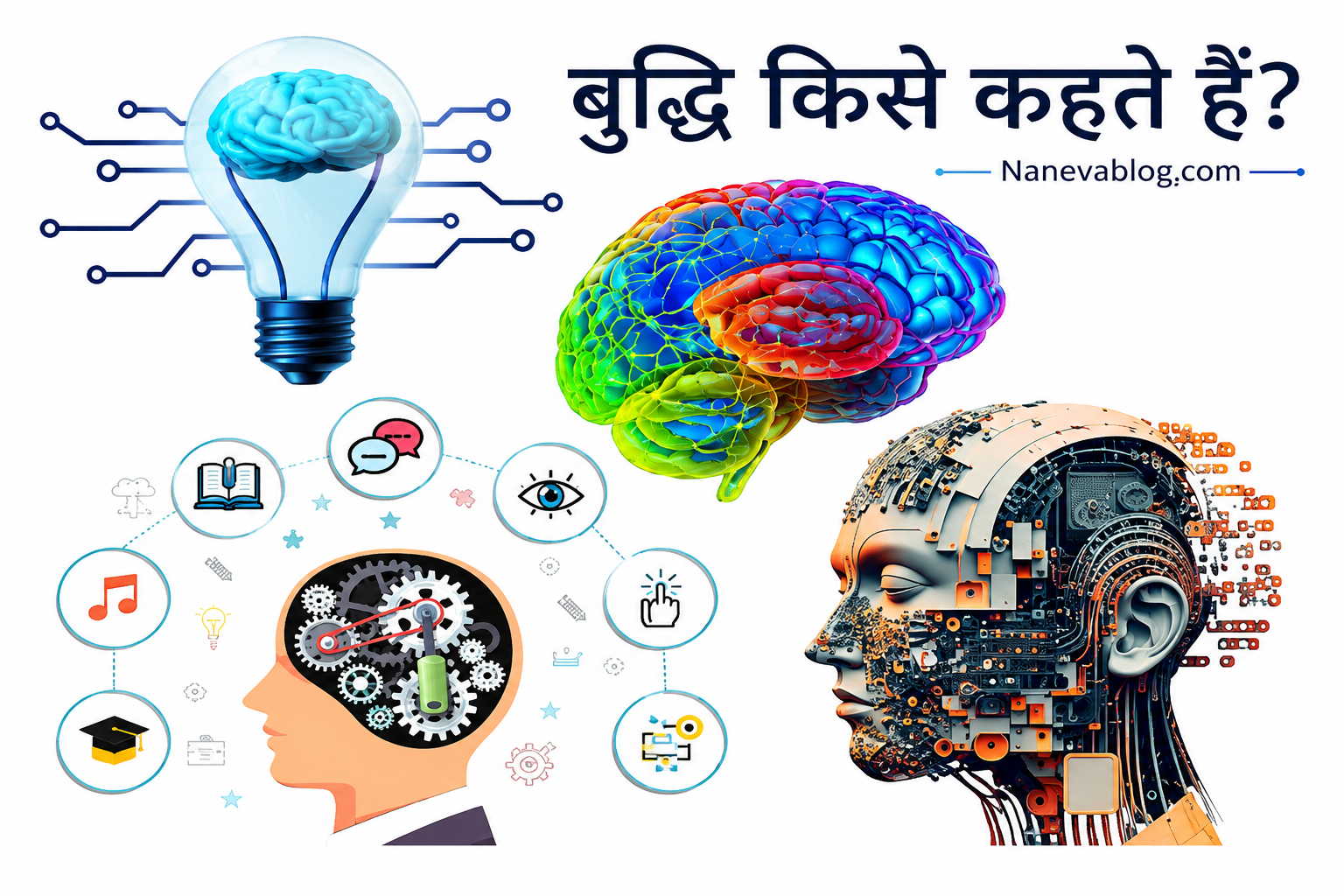
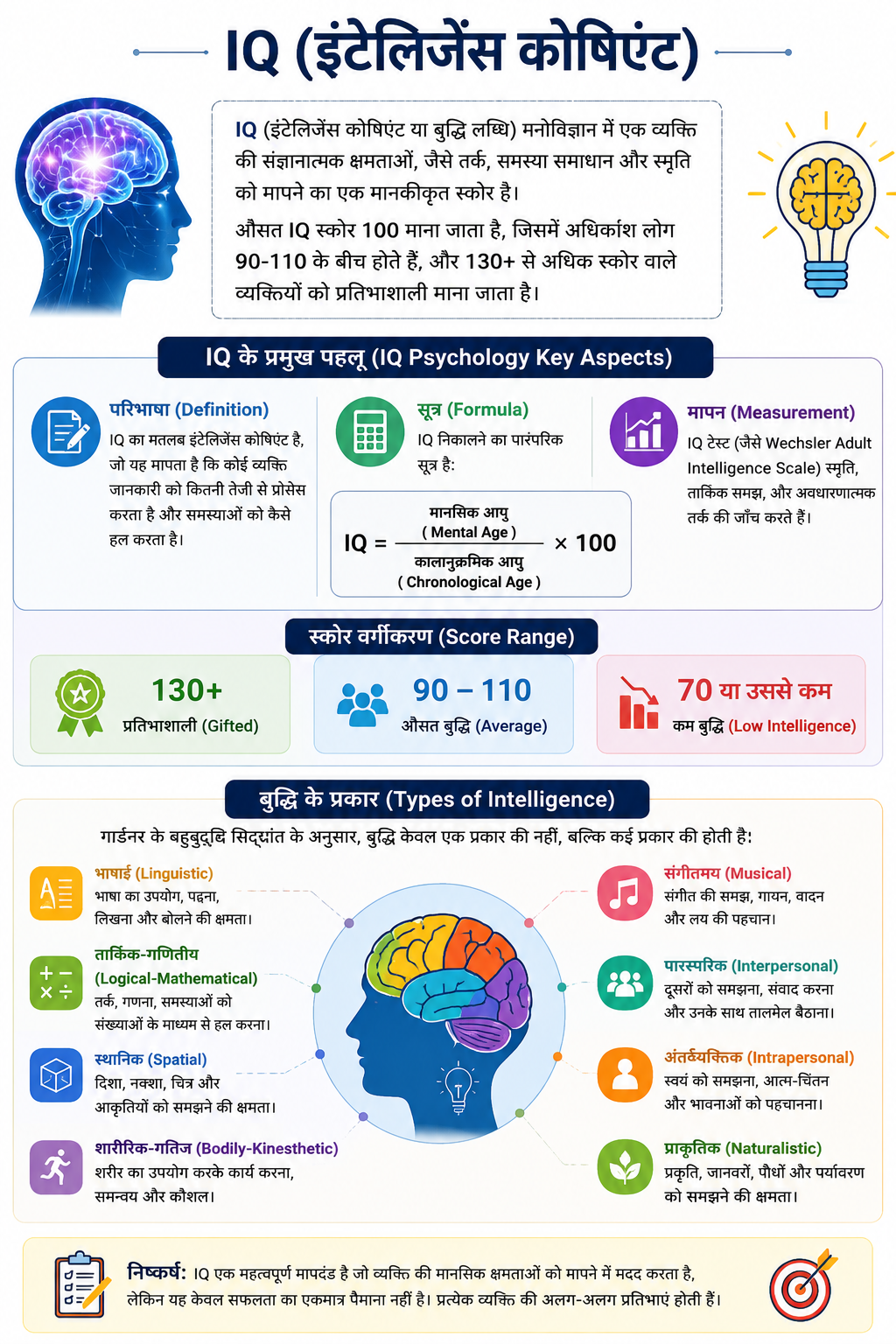
Psychology defines Intelligence as the mental ability to learn, understand, reason, solve problems, and adapt to the environment. It is not just the collection of knowledge, but the ability to use knowledge correctly. Intelligence also helps in abstract thinking and adapting to changes.
IQ (Intelligence Quotient)
Definition:- IQ stands for Intelligence Quotient, which measures how quickly a person processes information and solves problems.
Formula:- The traditional formula for calculating IQ=(Chronological AgeMental Age)×100
Score Classification (Score Range)
130+ :- Gifted
90–110 :- Average Intelligence
70 or below :- Low Intelligence
Symptoms of ADHD (Attention Deficit Hyperactivity Disorder)
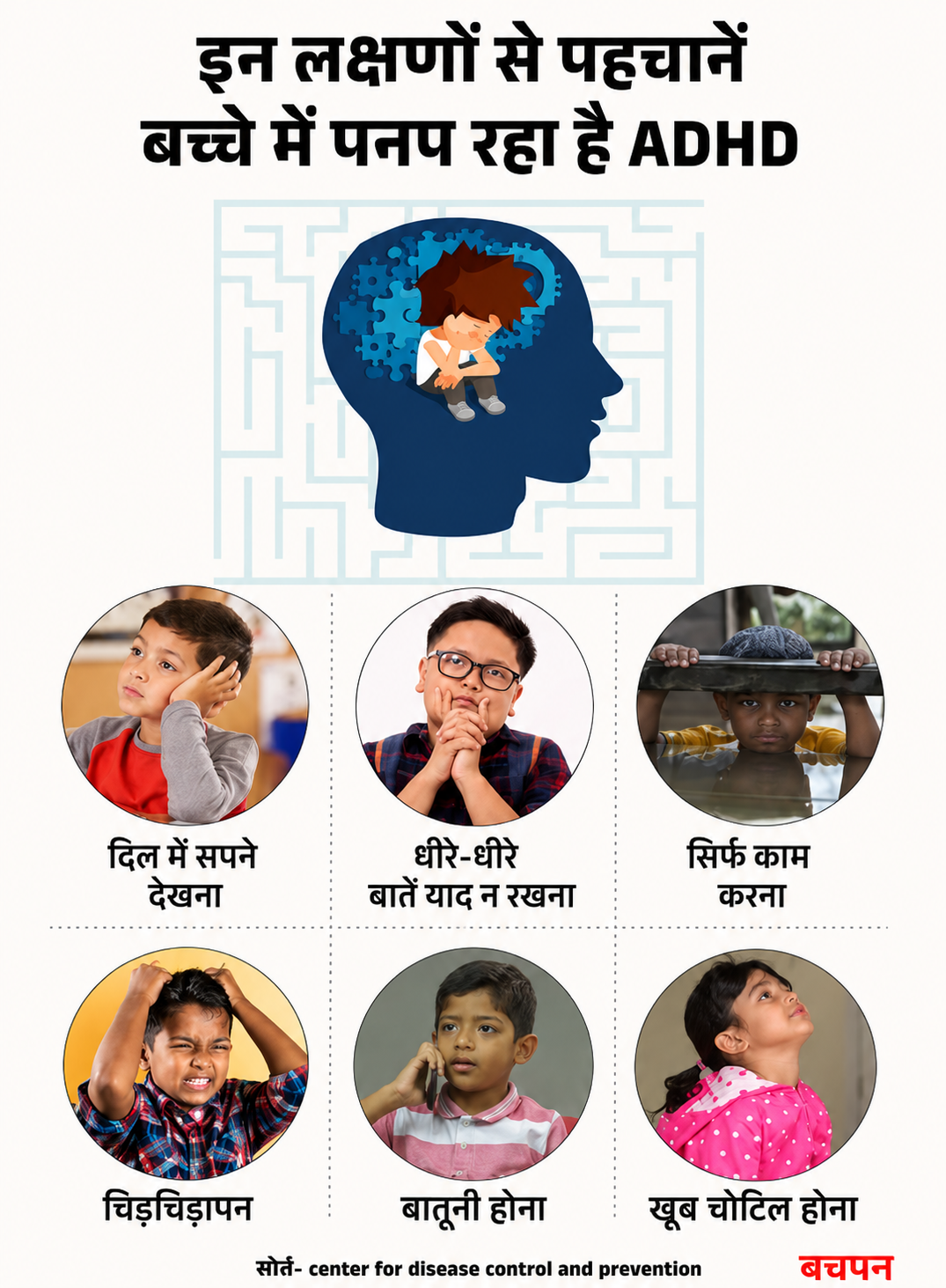
ADHD (Attention Deficit Hyperactivity Disorder) is a neurodevelopmental condition characterized by difficulty concentrating, hyperactivity, and impulsivity. These symptoms can begin in childhood and persist into adulthood, causing problems at work, school, or in personal life.
Symptoms of ADHD in Children
Inattention :- Lack of concentration in studies or sports, failure to follow instructions, leaving work incomplete, and frequently losing things.
Hyperactivity :- Not being able to sit still, running around all the time, and disturbing other children in the class.
Impulsivity :- Speaking quickly or interrupting others without thinking.
Symptoms of ADHD in Adults
Alzheimer’s :- Forgetting names, meetings, or appointments.
Chaos :- Not being able to keep the workplace or home organized, not being able to complete the work on deadline.
Distraction :- Not being able to focus on any task for a long time.
Internal restlessness :- Inability to sit still, excessive talking, and irritability or anger.
Impulsive Decisions :- Taking decisions without thinking, which may cause problems in the future.
Note :-These symptoms of ADHD can be identified in time and managed through therapy and medications
Symptoms of Autism
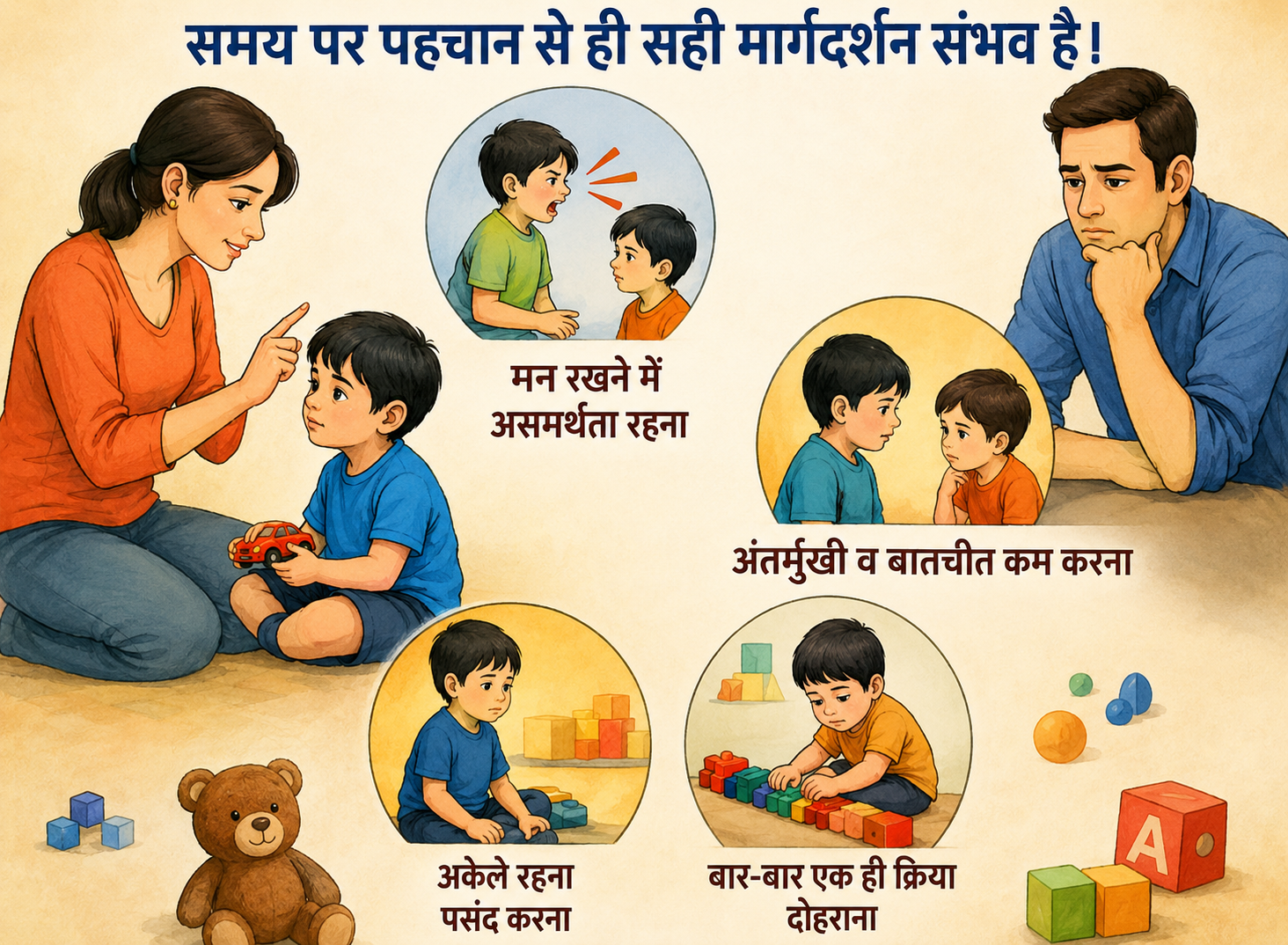
Symptoms of autism usually appear before the age of 3. Key symptoms include decreased social interaction, difficulty communicating, and repetitive behaviors. Children often don’t make eye contact, don’t respond to calls, and prefer to be alone.
Key symptoms of autism
1. Social and emotional symptoms:
Avoiding eye contact :- Not looking into eyes while talking.
Not responding to name calls :- Not paying attention to one’s name being called until the age of 12 months.
Solitary behavior :- Not interested in playing with other children.
Not understanding gestures :- Difficulty understanding others’ expressions or emotions.
2. Communication and Language Symptoms:
Speech Delay :- Not being able to speak meaningful words by 18 months.
Echolalia :- Repeating things or songs that you have heard over and over.
Atypical Communication :- Holding hands instead of pointing to communicate needs.
3. Behavior and Interests:
Repetitive Behaviors :- Hand flapping, spinning in circles, or rocking the body.
Stubbornness :- Not liking even minor changes in routine and doing the same thing over and over again.
Strange Behavior :- Lines up toys instead of playing with them or just spinning their wheels.
4. Sensory Issues:
Unusual reactions to loud noises, lights, or smells (such as covering your ears).
Toe walking.
Note :- If your child continues to experience these symptoms, it’s essential to consult a pediatrician/neurologist. Early detection can provide better care for your child.
Are you, a friend, or a family member experiencing the following symptoms of schizophrenia?
- abnormal transactions
- violent or aggressive behavior
- Unreasonable suspicion as if someone wants to kill you or is plotting something.
- Unnecessary doubts about the character of the spouse
- Laughing, smiling, or muttering without reason
- Inability to take care of oneself, being alone, talking nonsense
Note :- Schizophrenia is treatable.
1.4 crore schizophrenia patients in India

Mania Disorder
The main symptoms of mania are as follows:
- In this, the patient becomes extremely enthusiastic and happy or angry.
- He makes new plans and begins to feel like the richest man in the world. He starts various new projects but fails to complete them.
- They often have the illusion that they are a great leader or an influential person, and even when others explain, they refuse to believe the truth. If they are prevented from doing anything, they become extremely angry and even resort to violence. They cannot sit still in one place. They are always on the move. They often start talking to strangers on the street.
- They start spending excessively. They wear colorful and new fashionable clothes. They begin to use poetry (sher-o-shayari), devotional songs (bhajans), music, and the English language more frequently. Sexual desire increases. They cannot find time to eat. Sleep decreases; they sleep less and wake up themselves at two or three in the morning, waking up other family members as well.
Note :- They do not consider themselves ill but think they are perfectly fine.
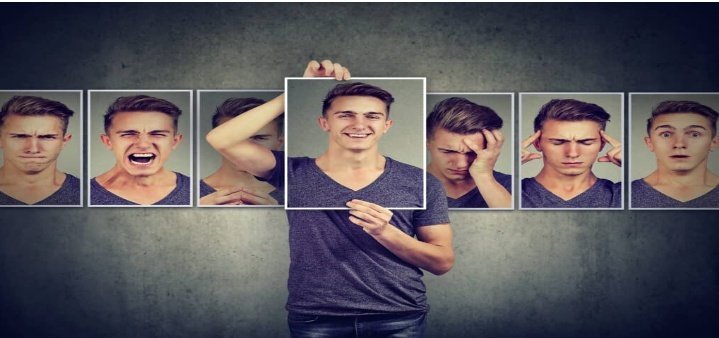
Internet Addiction
Internet addiction is a condition in which a person’s online time or digital activity increases so much that it starts affecting their daily life, mental health and relationships.
The main symptoms of internet addiction
1. Psychological & Behavioral Symptoms
Excessive Use and Loss of Time Awareness:- Spending hours online and losing the ability to control or monitor screen time.
Irritability and Restlessness :- Feeling angry, anxious, or uneasy when the internet is unavailable or the phone is away.
Withdrawal from Other Activities:- Losing interest in hobbies or activities that were previously enjoyable.
Lying:- Deceiving family or friends about the actual amount of time spent on the internet.
Mood Swings:- Feeling a sense of euphoria while using the internet and experiencing sadness or depression when unable to access it.
2. Physical Symptoms
Sleep Deprivation (Insomnia):- Staying awake all night using the internet or social media, leading to a lack of proper sleep
Physical Pain and Fatigue:- Suffering from neck pain, backaches, dry eyes, or frequent headaches.
Neglect of Personal Hygiene:- Ignoring basic daily needs such as eating, drinking, or bathing.
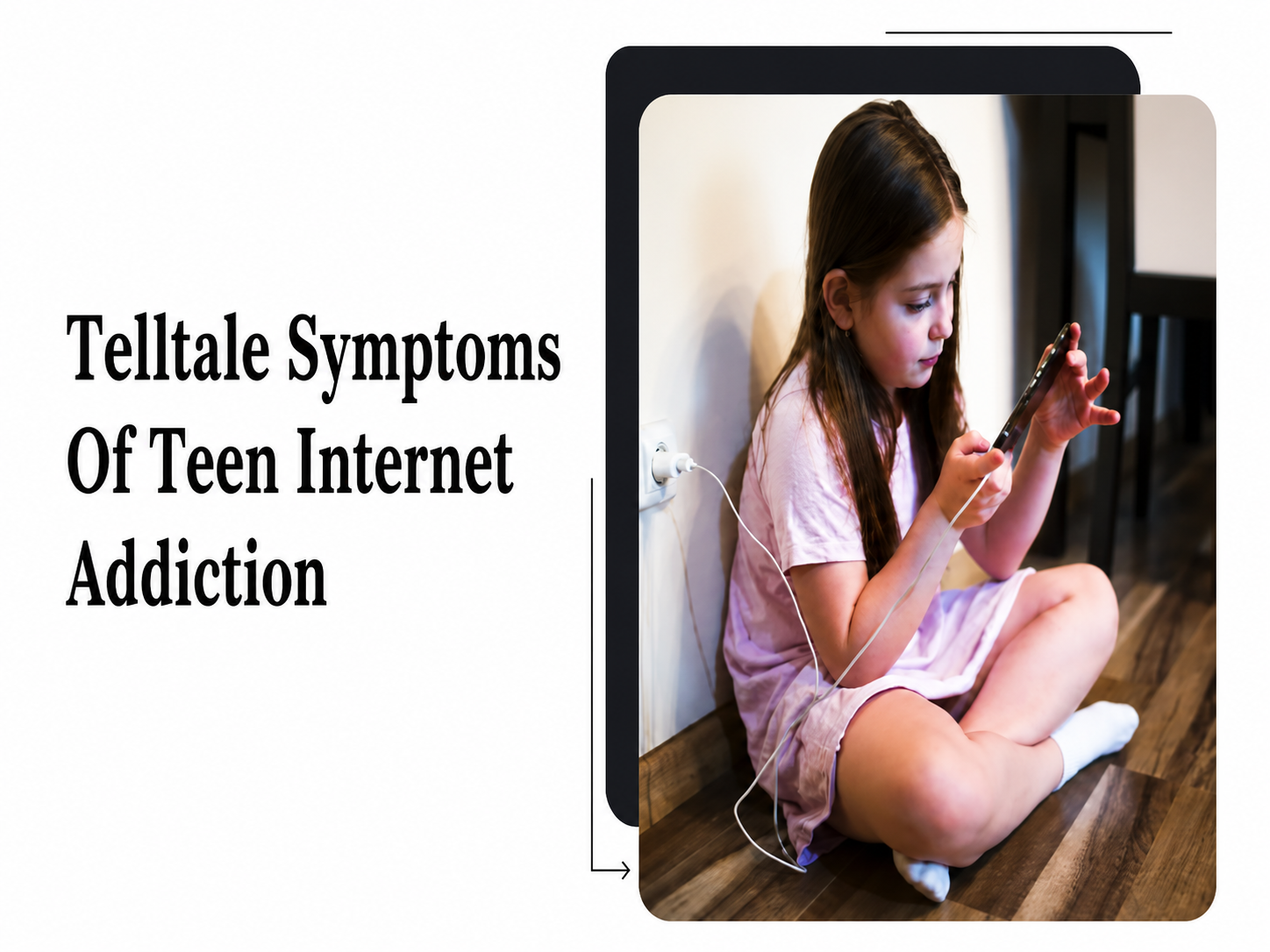
3. Social & Professional Symptoms
Social Isolation:- Distancing oneself from family and friends to spend more time in the virtual world.
Neglect of Work or Studies:- Overlooking office responsibilities or academic goals due to compulsive online gaming or surfing.
Addiction prevention measures:
- Set screen time limits.
- Turn off unnecessary notifications.
- Spend time on physical activities (exercise, painting).
Simple Tips to Improve Your Sleep
- Avoid caffeine, alcohol, nicotine, and other chemicals that interfere with sleep.
- Transform your bedroom into a sleep-inducing environment. A quiet, dark, and cool environment can help promote deep sleep.
- Take a bath (a drop in body temperature promotes drowsiness), read a book, or do relaxation exercises. Avoid discussing emotional issues, stressful, or stimulating activities.
- If you're not asleep after 20 minutes, get out of bed, go to another room, and do something relaxing, such as reading or listening to music, until you're tired enough to sleep.
- Don't look at the clock too often. Staring at a clock in your bedroom, either while you're falling asleep or when you wake up in the middle of the night, can actually increase stress, making it harder to fall asleep.
- Use light to your advantage, natural light keeps your internal clock on a healthy sleep-wake cycle.
- Going to bed and waking up at the same time every day sets the body's 'internal clock' so that it can expect to fall asleep at a certain time every night.

- Avoid napping during the day. This disrupts your sleep cycle. If you feel tired, take a nap.
- Eating lightly in the evening can be a recipe for insomnia. Finish dinner several hours before bedtime and avoid foods that cause indigestion.
- Exercise helps promote restful sleep if done several hours before bed. Exercise can help you fall asleep faster and sleep more deeply as long as it's done at the right time.
Mental Health Challenges in Azamgarh
Many residents in Azamgarh face silent struggles with emotional well-being. Family pressures, economic stress, and social expectations often worsen these issues. Understanding available support makes a real difference.
Mental health disorders in Azamgarh affect people across ages. Awareness is growing, but access to care remains a key concern in this part of Uttar Pradesh.
What Are Mental Disorders?
Mental disorders are health conditions that affect thinking, mood, and behavior. They range from mild to severe and can impact daily functioning. They are medical conditions, not personal weaknesses.
Mental illness symptoms vary but often include persistent sadness, excessive worry, changes in sleep or appetite, and difficulty concentrating. Recognizing patterns early helps.
Common Mental Health Disorders in Azamgarh
Rural areas like Azamgarh see higher rates of certain conditions due to socioeconomic factors.
Anxiety and Panic Disorders
Excessive fear or worry interferes with normal life. Anxiety treatment in Azamgarh often involves therapy and lifestyle changes.
Depression
Persistent low mood and loss of interest are hallmarks. Depression treatment in Azamgarh combines counselling and, when needed, medication.
Other Conditions
- OCD treatment in Azamgarh addresses intrusive thoughts and rituals.
- Bipolar disorder treatment Azamgarh manages mood swings.
- Schizophrenia treatment in Azamgarh requires specialized long-term care.
- Stress and panic issues are also prevalent.
Finding Professional Help Locally
Access to experts is crucial.
Psychiatrist in Azamgarh
Medical doctors who diagnose and prescribe medication for conditions like severe depression or bipolar disorder.
Clinical Psychologist in Azamgarh
Experts in talk therapy and assessments. They help with Cognitive Behavioral Therapy (CBT) in Azamgarh.
Mental health counselling in Azamgarh is available through district hospitals, private practices, and community programs.
Treatment Approaches That Work
Standard care follows evidence-based methods.
Therapy Options
Stress management therapy Azamgarh teaches coping skills. CBT is particularly effective for anxiety and depression.
Medication and Combined Care
Psychiatrists may recommend antidepressants or other drugs alongside therapy for balanced results.
Holistic Support
Emotional wellness in Azamgarh benefits from family involvement, exercise, and community connections.
Barriers to Care in the Region
Stigma remains strong in many communities. People often attribute symptoms to supernatural causes or weakness. Limited specialists and awareness create delays in seeking mental health disorders in Azamgarh support.
Transportation and costs add challenges for rural families.
Pro Tip From experience working with communities in similar settings: Start with one small step—like a confidential phone consultation with a local professional. Early intervention prevents complications. Encourage family participation without blame. Track symptoms in a simple journal to share with your doctor or clinical psychologist in Azamgarh. This builds trust and leads to more effective treatment plans.
Step-by-Step Guide to Seeking Help
- Recognize Signs: Note changes lasting more than two weeks.
- Talk to Someone Trusted: A family member or friend can provide support.
- Contact Local Resources: Visit the district hospital or search for best mental health clinic in Azamgarh.
- Prepare for Appointment: List symptoms and questions.
- Follow Through: Attend sessions consistently and communicate openly.
- Build Support Network: Join local wellness groups if available.
Avoid self-diagnosis or relying solely on unverified remedies.
Common Mistakes People Make
- Ignoring symptoms hoping they will pass.
- Choosing unqualified healers due to stigma.
- Stopping treatment prematurely when feeling better.
- Keeping struggles completely private out of shame.
Overcoming these opens the door to recovery.
Building Emotional Wellness in Azamgarh
Daily practices support professional care:
- Regular physical activity.
- Healthy sleep and nutrition.
- Strong social connections.
- Mindfulness or relaxation techniques.
Panic disorder treatment Azamgarh and other services integrate these elements.
Local Resources and Services Overview
Government programs under the National Mental Health Programme offer free or low-cost care at district levels. Private psychiatrist in Azamgarh and psychologists provide additional options. Telemedicine is expanding access in remote areas.
[Insert Internal Link to Local Helplines and Support Groups]
Comparison of Care Options
| Service Type | Availability | Cost | Best For |
|---|---|---|---|
| Government Hospitals | Widespread | Low/Free | Initial assessment |
| Private Clinics | Limited | Moderate | Specialized therapy |
| Counselling Centers | Growing | Variable | Stress & anxiety |
| Telehealth | Increasing | Affordable | Follow-ups & rural access |
Advanced Topics: Long-Term Management
For chronic conditions like schizophrenia, consistent medication and rehabilitation matter. Families benefit from psychoeducation programs that reduce relapse rates.
Community awareness campaigns are slowly changing perceptions in Uttar Pradesh.
Real Stories of Recovery
Many individuals in similar rural settings regain control through combined therapy and support. One common thread is persistence and finding the right professional match.
FAQs
1. What are the most common mental health disorders in Azamgarh? Common issues include anxiety, depression, stress-related disorders, and occasional cases of OCD or bipolar disorder. Rural challenges like financial stress and social pressures often contribute to these conditions.
2. How can I find a reliable psychiatrist in Azamgarh? Start with the district hospital psychiatry department. Private clinics and qualified practitioners are also available. Check qualifications, patient reviews, and government empanelment for trusted options.
3. What symptoms indicate I should see a clinical psychologist in Azamgarh? Persistent sadness, excessive worry, sleep disturbances, loss of interest in activities, or panic attacks lasting more than two weeks warrant professional consultation.
4. Is anxiety treatment in Azamgarh effective?
Yes. Cognitive Behavioral Therapy (CBT), relaxation techniques, and medication when needed show good results. Early intervention improves outcomes significantly.
5. How is depression treatment in Azamgarh typically approached? Treatment combines counselling, lifestyle changes, and antidepressants if prescribed. Local mental health counselling services focus on both individual and family support.
6. Does Azamgarh have facilities for OCD treatment or bipolar disorder treatment? Specialized care is available through experienced psychiatrists and psychologists. Referral to larger centers in nearby cities may occur for complex cases.
7. What is the cost of mental health services in Azamgarh? Government facilities offer low-cost or free initial consultations. Private sessions range from ₹300–₹1500 depending on the specialist and treatment type.
8. How does stigma affect mental illness symptoms recognition in the region? Many people delay seeking help due to fear of judgment. Awareness campaigns are helping, but community education remains important for better acceptance.
9. Can I access stress management therapy or panic disorder treatment locally? Yes. Several counsellors and clinics offer CBT and stress management programs. Teleconsultation options are also expanding for convenience.
10. Where is the best mental health clinic in Azamgarh for comprehensive care?
District hospitals provide broad services. Reputable private clinics with multidisciplinary teams (psychiatrists + psychologists) are ideal for ongoing support. Always verify credentials before visiting.