
Stress & Anxiety Management
Stress & Anxiety Management helps you control overwhelming thoughts, reduce stress, and achieve a calm and balanced mind.
- Home
- Services
Description
Stress & Anxiety Management focuses on helping individuals understand, manage, and reduce overwhelming thoughts and emotions. At Garima Rana – Clinical Psychologist in Lucknow, we provide a safe, confidential, and supportive environment to address issues such as work stress, overthinking, panic attacks, social anxiety, and daily life pressures.
Through evidence-based techniques like Cognitive Behavioral Therapy (CBT), relaxation strategies, and mindfulness practices, we help you develop effective coping skills, improve emotional balance, and regain control over your thoughts and feelings.
Our goal is to support you in living a calmer, more confident, and balanced life.
- Professional anxiety counseling in Lucknow
- Effective stress management techniques
- Support for panic attacks and overthinking
- Improved emotional control and clarity
- Better sleep and mental relaxation
- Personalized therapy approach.
Mental Health Support for Anxiety, Depression, Stress, Trauma & More
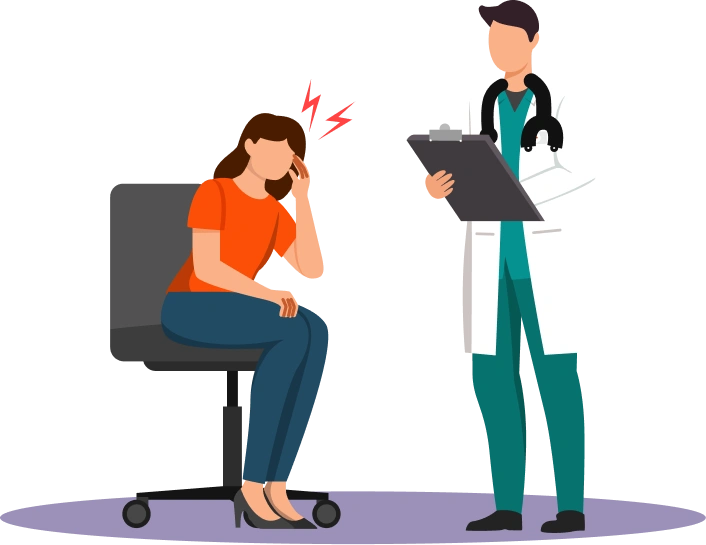
Anxiety Management
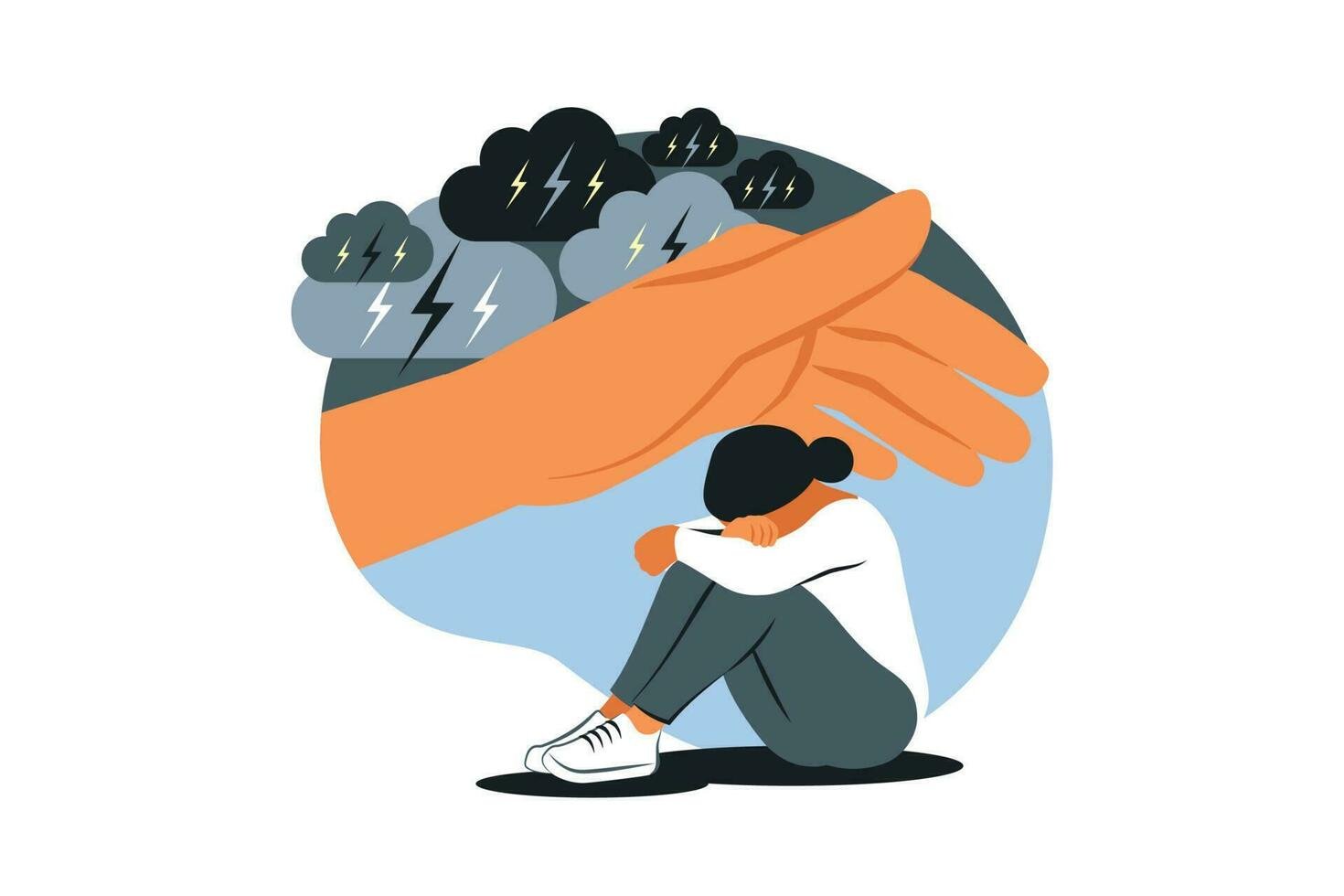
Depression Support
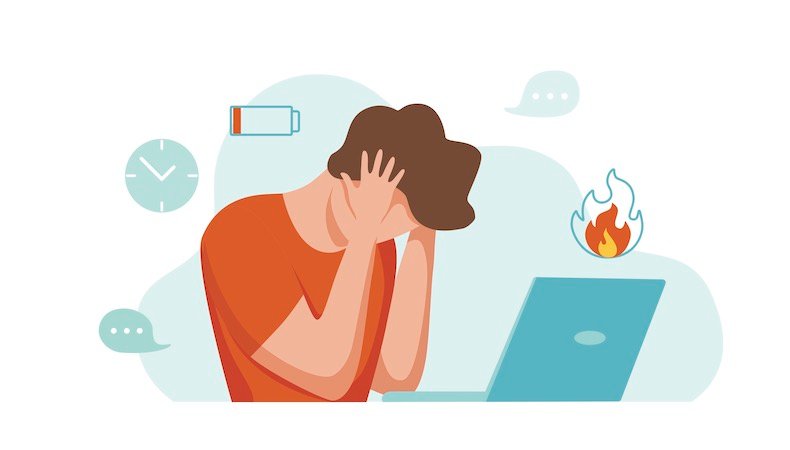
Stress & Burnout Care
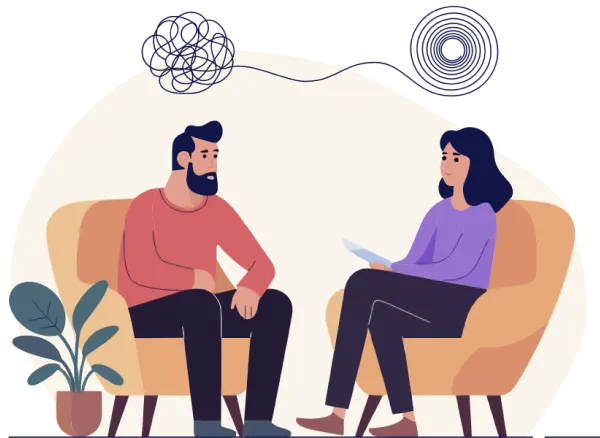
Trauma Recovery Therapy
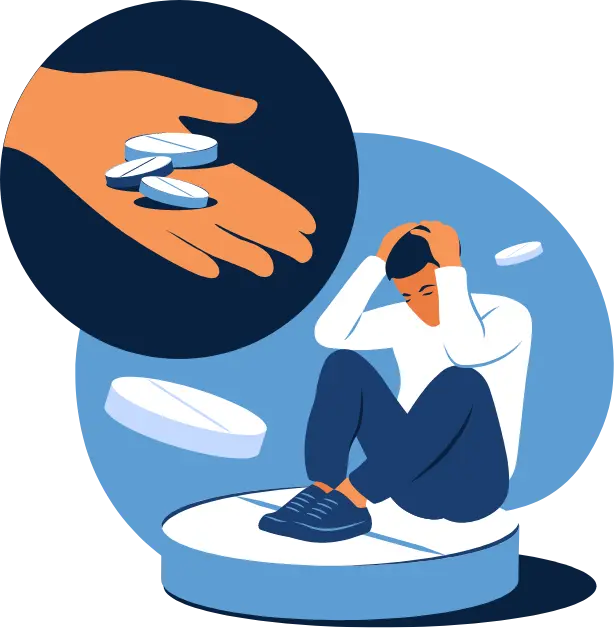
OCD Support Therapy
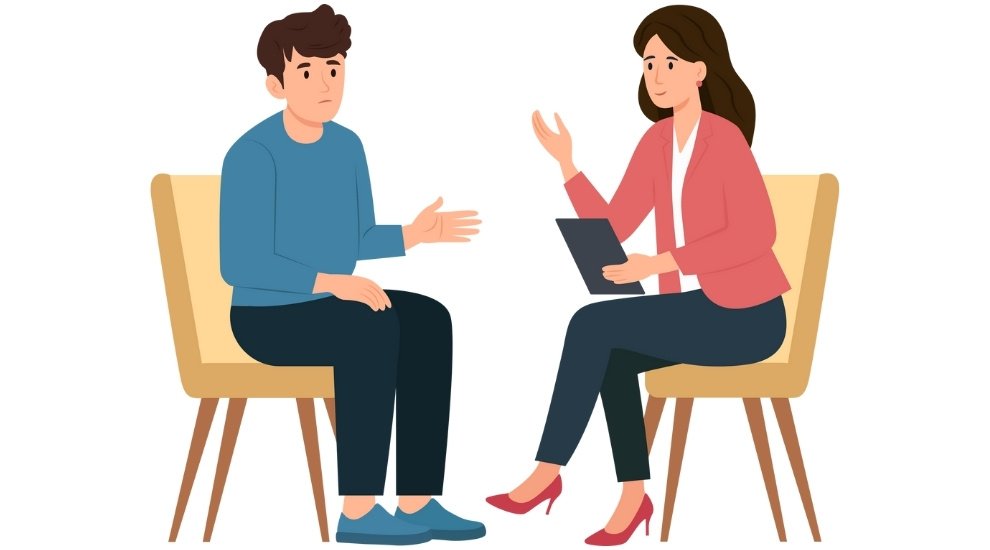
CBT Sessions
Grief & Loss Support
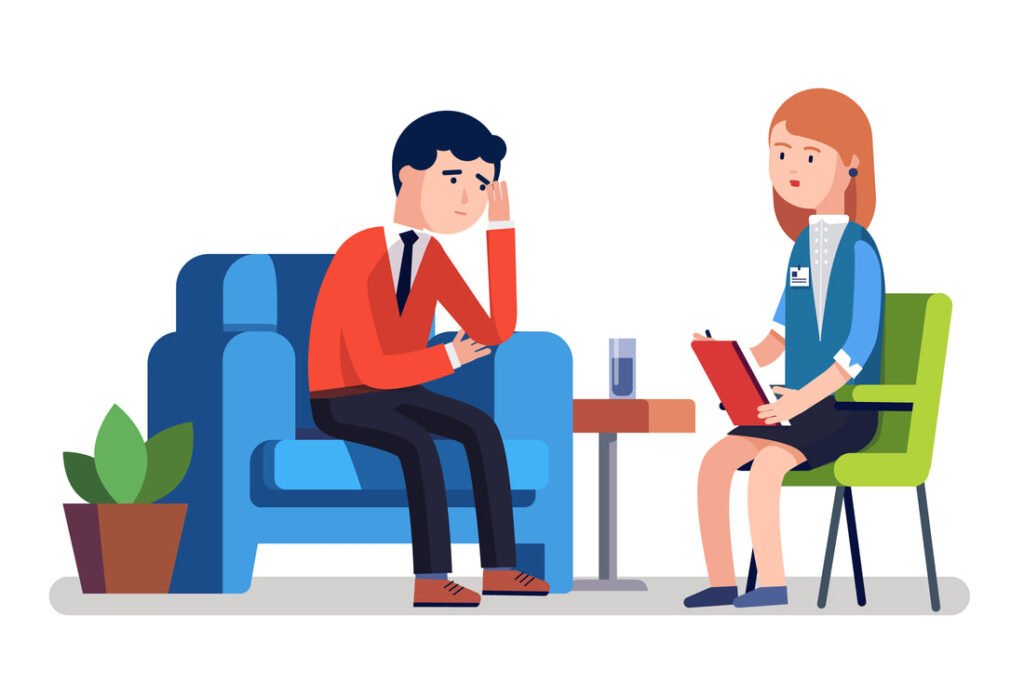
Relationship Guidance
Couple & Relationship
Anger Control Therapy
Self-Confidence Building
Sleep Disorder Support
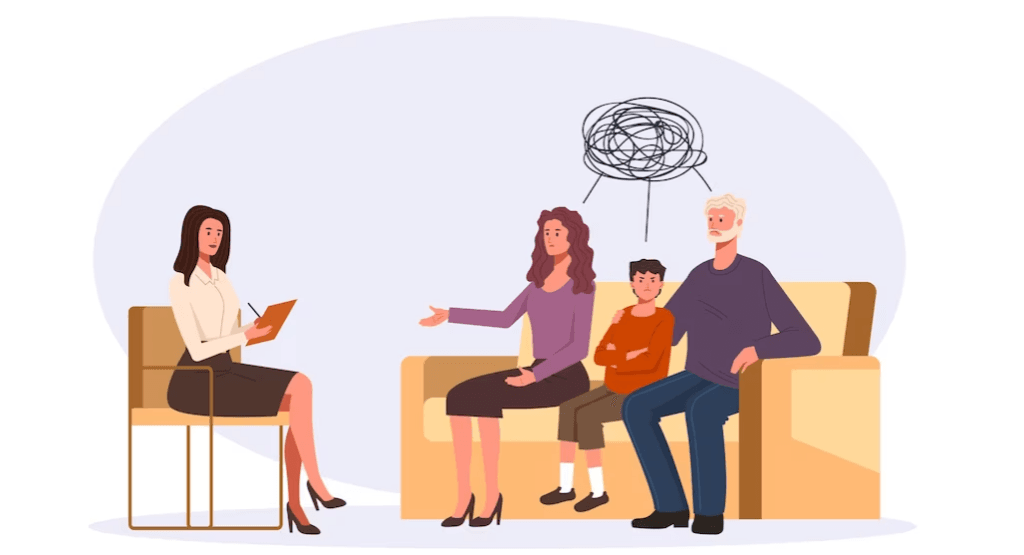
Child & Teen Counseling
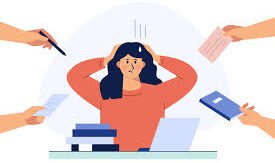
Career Stress Counseling
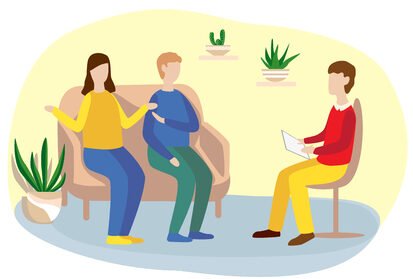
Marital Counseling
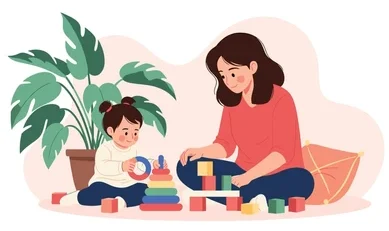
Parenting Guidance
Stress & Anxiety Management in Azamgarh: Practical Local Support That Works
Daily pressures in Azamgarh—studies, family expectations, farming seasons, or job searches—can quietly build into constant worry. Many people feel restless, sleep poorly, or snap at small things without knowing why.
Stress and anxiety management in Azamgarh includes professional counseling, Cognitive Behavioral Therapy (CBT), and free government helplines. Local psychologists and the Tele-MANAS number 14416 offer confidential help. Simple daily habits plus timely support reduce symptoms and improve emotional balance for residents of all ages.
Key Takeaways
- Professional anxiety counseling in Azamgarh and CBT are available locally and online.
- Free Tele-MANAS (14416) gives immediate, confidential guidance without cost or travel.
- Combining self-help steps with expert support produces the most reliable, lasting relief.
Understanding Stress and Anxiety in Daily Life
Stress is the body’s short-term reaction to demands. Deadlines, money worries, or family conflict trigger it.
Anxiety is prolonged worry that continues even after the stressor fades. It can show as racing thoughts, muscle tension, or sudden fear.
In smaller cities like Azamgarh, people often hide these feelings. Cultural expectations around strength and family duty make open talk harder. Yet ignoring the signs rarely helps.
Common triggers here include exam pressure on students, seasonal farm uncertainty, limited job options, and social comparison on phones. Women may face extra load from household and caregiving roles. Young adults often feel stuck between traditional expectations and modern aspirations.
Physical signs appear first for many: headaches, stomach issues, or constant tiredness. Emotional signs follow—irritability, poor concentration, or withdrawal. When these last more than two weeks and interfere with work or relationships, professional mental health support Azamgarh becomes useful.
Why Local Support Matters in Azamgarh
Traveling to bigger cities for every session is expensive and time-consuming. Local options reduce that barrier.
A clinical psychologist based in Azamgarh understands regional language, family structures, and common stressors. Sessions feel more relevant. Online therapy from verified professionals across Uttar Pradesh adds flexibility for those who prefer privacy at home.
Government services have expanded. The Tele-MANAS helpline operates statewide. Awareness remains low in the district, according to local health officials, yet the service itself is free and confidential.
Hospitals and private clinics now list psychology and psychiatry services. This growth means residents no longer need to suffer in silence.
[Insert Internal Link to Related Topic: Understanding Mental Health Stigma in Rural UP]
Signs You May Benefit from Professional Help
Watch for these patterns:
- Worry that feels hard to control most days
- Trouble falling or staying asleep
- Sudden heart racing or shortness of breath (panic-like episodes)
- Avoiding people, places, or tasks that once felt normal
- Persistent low mood or loss of interest
- Physical complaints without clear medical cause
If these affect studies, work, or family life, anxiety treatment in Azamgarh or counseling can help. Early action usually shortens recovery time.
Severe symptoms—thoughts of self-harm, complete inability to function, or hallucinations—require urgent medical attention. Call emergency services or the helpline immediately.
Professional Options Available in Azamgarh
Clinical Psychologists and Counselors
Qualified clinical psychologists registered with the Rehabilitation Council of India (RCI) provide talk-based therapy. One established local practitioner offers stress and anxiety management, CBT, psychometric testing, and support for teens, adults, and couples. Sessions focus on practical coping skills.
Other counselors in the district work with emotional regulation, academic pressure, and relationship concerns. Some integrate culturally sensitive approaches when requested.
Psychiatrists
Psychiatrists are medical doctors who can prescribe medication when needed. They treat more severe anxiety, depression, or combined conditions. Local psychiatrists practice at government medical facilities and private clinics. Fees for a first visit often range from a few hundred to under one thousand rupees in many settings.
Therapy Approaches That Work
Cognitive Behavioral Therapy (CBT) Azamgarh is widely used and evidence-based. It helps people notice unhelpful thought patterns and replace them with balanced ones. Clients learn to test fears against evidence and build new habits.
Other common methods include:
- Relaxation and breathing training
- Problem-solving techniques
- Mindfulness practices adapted to daily life
- Supportive counseling for grief or adjustment
Most people see improvement within 8–12 sessions when they practice skills between meetings.
Online and Hybrid Care
Many psychologists now offer video sessions. Residents of Azamgarh can access therapists across Uttar Pradesh without leaving home. This suits those with mobility limits, privacy concerns, or tight schedules. Platforms list verified professionals who speak Hindi and English.
Free and Low-Cost Mental Health Resources
The most important free resource is Tele-MANAS (14416 or 1800-891-4416). It runs 24 hours a day. Trained counselors listen, offer guidance, and connect callers to specialists when required. Conversations stay confidential. Local health officials have noted that usage in Azamgarh is lower than expected, so more people should know the number exists.
Additional national options include KIRAN (1800-599-0019) and other crisis lines. Government hospitals and medical college facilities often provide subsidized or free consultations.
These services lower the cost barrier that stops many families from seeking help.
Practical Self-Help Steps Anyone Can Start Today
Professional care works best when paired with daily habits. Try these evidence-supported actions:
- Breathing reset – Sit comfortably. Inhale for four counts, hold for four, exhale for six. Repeat five times. Use it when worry spikes.
- Body movement – A 20–30 minute walk most days lowers stress hormones. Farming work or household chores count if done mindfully.
- Sleep routine – Fixed bedtime and wake time. Keep phones out of the bedroom. Dim lights one hour before sleep.
- Thought record – When anxiety rises, write the situation, the thought, the feeling, and one alternative view. This is a basic CBT skill.
- Social connection – Talk to one trusted person weekly about something real. Isolation fuels anxiety.
- Limit news and social media – Set specific times. Constant comparison and negative headlines increase tension.
- Small wins – Break large tasks into tiny steps. Completing one builds momentum.
These steps cost nothing and build resilience over weeks.
Pro Tip from practice: Many clients in smaller towns wait until symptoms become severe because they fear judgment. Starting with a free helpline call or one private online session often feels safer. Once the first conversation happens, the next steps become clearer. Consistency matters more than perfection—practice one skill daily rather than trying everything at once.
Cognitive Behavioral Therapy Explained Simply
CBT rests on a clear idea: thoughts, feelings, and actions influence each other. Changing one changes the others.
A typical session might look like this:
- Review the past week’s situations that triggered anxiety.
- Identify the automatic thought (“I will fail this exam”).
- Examine evidence for and against it.
- Create a balanced alternative thought.
- Plan a small behavioral experiment (study for 25 minutes, then rest).
Homework between sessions turns insight into lasting change. CBT is structured, time-limited, and focuses on present problems rather than deep past exploration in every case.
Limitations exist. Severe depression or trauma may need additional approaches or medication first. A good therapist adjusts the method to the person.
Common Mistakes People Make with Stress and Anxiety
- Waiting too long hoping it will disappear on its own.
- Relying only on temporary fixes such as excessive tea, late-night scrolling, or complete isolation.
- Believing therapy is only for “serious” cases or “weak” people.
- Stopping medication or sessions abruptly without guidance.
- Comparing recovery speed with others. Everyone’s timeline differs.
- Ignoring physical health—poor sleep, irregular meals, and no movement worsen mental symptoms.
Avoiding these mistakes speeds progress.
Step-by-Step Plan to Start Managing Stress and Anxiety
- Acknowledge the problem – Write down three ways stress currently affects your day.
- Reach out once – Call Tele-MANAS 14416 or contact a local psychologist for an initial conversation.
- Choose one self-help habit – Pick breathing or a short walk and practice it daily for two weeks.
- Track simple data – Note mood and sleep quality each evening on a 1–10 scale. Patterns become visible.
- Add professional support – If self-help is not enough after three to four weeks, book regular sessions.
- Involve a support person – Tell one family member or friend you are working on this.
- Review monthly – Adjust what works and drop what does not.
This sequence keeps the process manageable and reduces overwhelm.
Special Considerations for Different Groups
Students face intense academic and competitive pressure. Short CBT-focused sessions plus study skills coaching often help.
Working adults and farmers deal with income uncertainty and long hours. Practical problem-solving and boundary-setting skills prove useful.
Women may carry invisible emotional labor. Counseling that respects family roles while supporting personal needs works best.
Older adults sometimes experience anxiety linked to health worries or loneliness. Gentle, respectful approaches and family involvement help.
Parents of children or teens can learn to model calm and seek child-friendly therapy when needed.
What to Expect in Your First Counseling Session
The first meeting focuses on understanding your concerns, history, and goals. The counselor explains confidentiality and how sessions work. You will not be forced to share anything uncomfortable.
Most people feel a mix of relief and nervousness afterward. That is normal. Progress rarely happens in one meeting. Consistency over several weeks produces clearer results.
Ask questions: training background, experience with anxiety, fees, and session length. A good fit feels respectful and collaborative.
Benefits and Realistic Limitations
Benefits of timely support
- Reduced intensity and frequency of anxious thoughts
- Better sleep and concentration
- Improved relationships and work performance
- Greater sense of control over daily life
- Skills that last beyond the therapy period
Limitations to keep in mind
- Therapy requires active participation and practice.
- Results vary by individual, severity, and consistency.
- Medication, when prescribed, needs medical supervision.
- Complete elimination of all stress is neither possible nor desirable. The goal is manageable levels and better coping.
Honest expectations prevent disappointment.
Building Long-Term Emotional Wellness
Lasting change comes from combining three elements:
- Professional tools when needed
- Daily habits that support the nervous system
- Supportive relationships
Periodic check-ins even after symptoms improve help maintain gains. Life will bring new stressors. The skills learned stay available.
Community awareness also matters. When more people in Azamgarh talk openly about mental health, stigma shrinks and help-seeking rises.
Stress and anxiety management in Azamgarh is more accessible than many residents realize. Local psychologists, psychiatrists, free national helplines, and practical self-help tools form a complete support system.
You do not need to wait until things feel unbearable. One call to 14416 or one appointment with a qualified counselor can start meaningful change.
Choose one action today—practice a breathing exercise, write down your main concerns, or save the helpline number. Small consistent steps create real relief. Professional mental health counseling Azamgarh and everyday habits together restore balance and confidence.
Frequently Asked Questions
Everything you need to know before starting your therapy journey with Garima Rana.
Call the free Tele-MANAS helpline 14416 for confidential counseling. Then book a session with an RCI-recognized psychologist for Cognitive Behavioral Therapy (CBT) and add simple daily breathing practice.
RCI-recognized clinical psychologists such as Garima Rana (CBT specialist) and local psychiatrists including Dr. Nitish Yadav (Shri Krishna Neuro Psychiatry Centre) and Dr. Vindhya Prakash Singh offer reliable anxiety treatment and mental health counseling.
Yes. Tele-MANAS (14416) provides 24/7 free, confidential counseling. Government Medical College and district hospitals also offer low-cost or free psychiatry and counseling services.
CBT teaches you to identify unhelpful thoughts, test them against reality, and replace them with balanced ones. Local psychologists use it effectively for anxiety & depression management and panic symptoms.
Seek help if panic attacks occur more than once a week, cause fear of future attacks, or stop you from daily activities. Panic attack counseling combined with breathing techniques brings quick relief for most people.
Yes, for mild to moderate stress and anxiety. Choose verified platforms or local psychologists who offer video sessions. Severe cases usually benefit from at least some face-to-face support.
Maintain fixed sleep times, practice 5–10 minutes of slow breathing twice a day, take short phone-free walks, and limit caffeine after afternoon. These habits strengthen the results of professional counseling services.
.
Many people notice better sleep or reduced worry within 2–4 weeks of consistent practice. Full skill-building with individual therapy or CBT often takes 8–12 sessions, depending on severity and regular home practice.